Have you ever wondered how medical practices evolved in the 19th century? This era was marked by significant advancements and challenges, as doctors sought to understand diseases and improve patient care amidst limited knowledge and resources.
In this article, you will explore the most common medical treatments of the time, the pivotal role of surgery, and the widespread use of herbal remedies and traditional medicines. Understanding these practices not only sheds light on historical healthcare but also emphasizes the evolution of modern medicine.
Key topics will include the transformation of surgical techniques, the impact of herbal treatments, and an overview of the medical community’s approach to patient care during this fascinating period.
Common medical practices in the 19th century
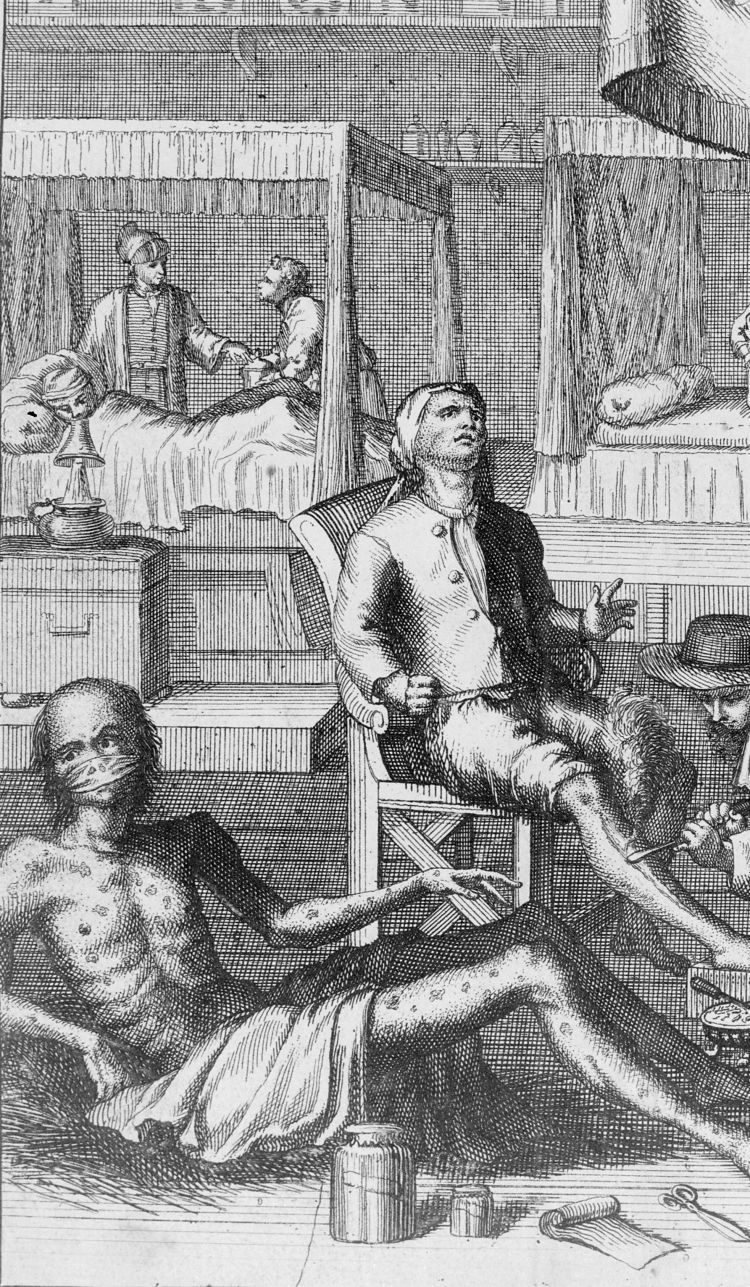
During the 19th century, medical practices were a blend of emerging scientific knowledge and longstanding traditions. This era saw the transition from ancient methods to more systematic approaches to medicine. A notable example is the widespread use of bloodletting, which was based on the belief that many ailments were caused by an imbalance of bodily humors.
Bloodletting was not only common but also endorsed by prominent physicians. For instance, George Washington, the first President of the United States, underwent bloodletting as a treatment for his throat infection in 1799, which ultimately contributed to his death. This illustrates the risks associated with the medical practices of the time.
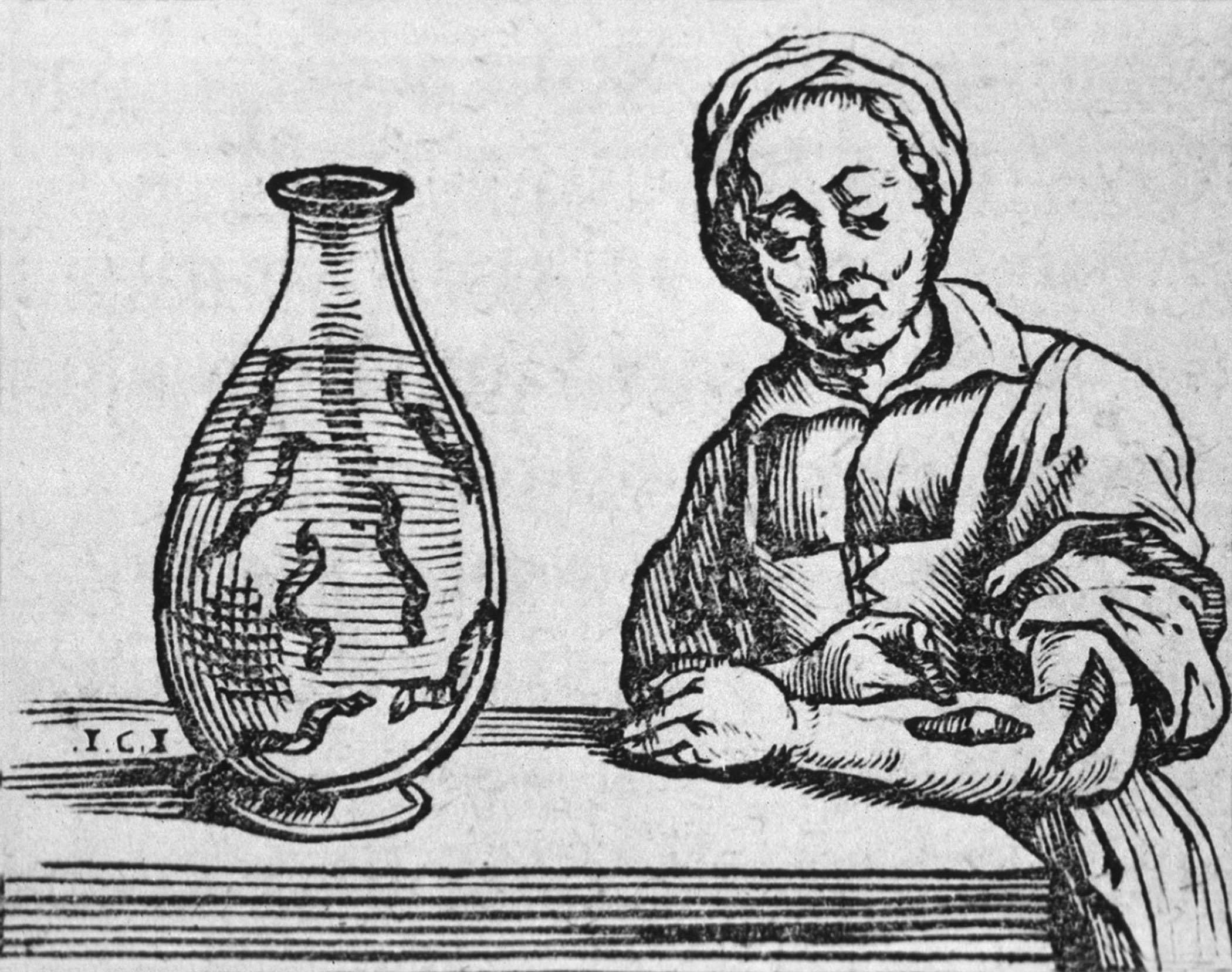
- Leeches were often used in conjunction with bloodletting to draw blood.
- Mercury was a common treatment for syphilis, despite its toxic effects.
- Opium and its derivatives were prescribed for pain relief and as sedatives.
- Surgery began to evolve with the introduction of anesthesia in the mid-19th century.
Another significant advancement was the development of antiseptic techniques. In the 1860s, Joseph Lister introduced the practice of sterilizing surgical instruments and cleaning wounds. This reduced post-surgical infections dramatically, changing the landscape of surgical procedures. By the end of the century, hospitals began implementing these methods widely, leading to improved patient outcomes.
Furthermore, the establishment of medical schools and formal training for physicians contributed to the professionalization of medicine. The founding of Johns Hopkins University in 1876 marked a pivotal moment, as it set a new standard for medical education in the United States. Graduates were expected to have rigorous training, which included both theoretical and practical components.
The 19th century was a transformative period for medicine, characterized by a mix of traditional practices and groundbreaking innovations. While methods like bloodletting reflect the era’s limitations, advancements in surgical techniques, antiseptics, and medical education laid the foundation for modern medicine.
The role of surgery during the 19th century
Surgery in the 19th century underwent significant transformation, evolving from rudimentary techniques to more advanced practices. This period marked the beginnings of modern surgical methods, driven by advancements in anesthesia, antiseptics, and surgical instruments.
One of the pivotal developments in surgery was the introduction of anesthesia. Before its widespread adoption, surgical procedures were often excruciatingly painful, leading to high mortality rates. The first public demonstration of ether anesthesia took place in 1846 by dentist William Morton, revolutionizing the field by allowing patients to undergo surgery without the fear of pain.
- Antiseptic techniques, pioneered by Joseph Lister in the 1860s, drastically reduced infection rates. Lister advocated for the use of carbolic acid to sterilize instruments and clean wounds, which became standard practice.
- Surgeons began to specialize in particular fields, such as orthopedics and gynecology, leading to greater expertise and better patient outcomes.
- Amputations were common due to injuries from industrialization and warfare, with a reported 30% of soldiers suffering from amputations during the American Civil War.
As surgery advanced, so did the tools and techniques used. The 19th century saw the introduction of various surgical instruments, such as the scalpel, forceps, and clamps, which improved precision and outcomes. The development of sutures also enhanced recovery times and reduced complications.
Another notable figure in surgical history was John Snow, who, while primarily known for his work in anesthesia, also made significant contributions to the understanding of public health and infection control. His research on cholera outbreaks in London underscored the importance of sanitation in surgical practices.
By the end of the 19th century, surgery was increasingly viewed as a viable and necessary option for treating various medical conditions. The combination of anesthesia, antiseptics, and improved surgical techniques laid the groundwork for modern surgery, transforming it into a respected and essential branch of medicine.
Use of herbal remedies and traditional medicines
In the 19th century, herbal remedies and traditional medicines played a crucial role in healthcare. Many individuals relied on these natural treatments due to limited access to professional medical care and a growing distrust of emerging medical practices. Herbalists and folk healers were prevalent, using plants and natural substances to treat various ailments.
- Willow bark: Commonly used for pain relief and inflammation, it contains salicin, a precursor to aspirin.
- Foxglove: Utilized to treat heart conditions, it contains digoxin, which is still used in modern medicine.
- Garlic: Known for its antibacterial properties, garlic was a popular remedy for infections.
- Peppermint: Frequently used to relieve digestive issues, it was valued for its calming effects.
Many of these remedies were documented in various herbal texts, which served as guides for practitioners and the general public. For instance, the publication of The Herbalist in 1845 provided insights into the uses of different herbs and their preparation methods. This was instrumental in promoting the use of natural remedies among the populace.
Despite the rise of allopathic medicine, traditional practices persisted. A survey conducted in 1880 revealed that approximately 60% of rural populations in the United States still turned to herbalists for their healthcare needs. This highlights the deep-rooted trust in traditional remedies, often passed down through generations.
| Herb | Condition Treated | Active Component |
|---|---|---|
| Willow Bark | Pain and Inflammation | Salicin |
| Foxglove | Heart Conditions | Digoxin |
| Garlic | Infections | Allicin |
| Peppermint | Digestive Issues | Menthol |
The integration of herbal remedies into everyday life was not merely a matter of choice; it was a necessity for many. The effectiveness of some of these treatments laid the groundwork for future pharmacology, as the 19th century witnessed a gradual shift towards recognizing the value of natural substances in medicine.
The impact of the industrial revolution on healthcare
The Industrial Revolution, which spanned from the late 18th to the early 19th century, dramatically transformed various sectors, including healthcare. The introduction of new technologies, urbanization, and changes in social structures influenced medical practices and the accessibility of healthcare.
One significant impact was the advancement of medical technology. Innovations such as the stethoscope, invented by René Laennec in 1816, revolutionized patient examination. This tool allowed physicians to listen to internal body sounds, enhancing diagnostic accuracy.
- Increased urbanization: Rapid population growth in urban areas led to overcrowded living conditions, which fostered the spread of diseases.
- Public health initiatives: The need for improved sanitation spurred the establishment of public health policies, such as the 1848 Public Health Act in Britain.
- Advances in medical education: Medical schools began adopting more scientific curricula, emphasizing anatomy and physiology alongside traditional practices.
Alongside these advancements, the Industrial Revolution also introduced significant challenges. The rise of factories and the associated labor demands resulted in numerous health issues, including respiratory problems due to poor air quality. For instance, the 1831 cholera outbreak in London highlighted the urgent need for better public health measures and sanitation.
Moreover, the period saw the emergence of nursing as a profession. Figures like Florence Nightingale, who established modern nursing practices during the Crimean War (1853-1856), emphasized the importance of hygiene and patient care, leading to improved recovery rates.
The Industrial Revolution reshaped healthcare by introducing new technologies and increasing awareness of public health. It laid the groundwork for modern medicine, influencing both the quality of care provided and the structure of healthcare systems.
Advancements in medical technology and instruments
The 19th century was a pivotal time for advancements in medical technology and instruments, leading to significant improvements in patient care and surgical outcomes. Innovations such as anesthesia, antiseptics, and more precise surgical instruments revolutionized the practice of medicine.
One of the most notable advancements was the introduction of anesthesia. Before its advent, surgery was often a painful and traumatic experience for patients. The first successful use of ether as an anesthetic was performed by Dr. Crawford Long in 1842. This marked a turning point, as it allowed surgeons to perform more complex procedures without causing undue suffering.
- 1846: Introduction of nitrous oxide as an anesthetic by Dr. Horace Wells.
- 1853: The development of the hypodermic needle by Alexander Wood, allowing for the precise delivery of medications.
- 1867: Joseph Lister introduced antiseptic techniques, reducing postoperative infections significantly.
Moreover, surgical instruments became more sophisticated and specialized during this period. Instruments such as the scalpel, forceps, and clamps were redesigned for improved functionality. For example, the development of the scalpel with a sharper blade allowed for cleaner incisions, which contributed to faster healing times.
Additionally, the invention of the stethoscope by René Laennec in 1816 opened new avenues for diagnosing respiratory and cardiac conditions. This simple yet effective instrument allowed physicians to listen to internal body sounds, enhancing their understanding of various ailments.
Statistics from the era indicate that surgical mortality rates dropped significantly due to these advancements. By the end of the 19th century, the mortality rate for surgical procedures had decreased from over 50% in the early 1800s to around 10% in some hospitals. This dramatic decline was largely attributed to the adoption of anesthesia and antiseptic practices.
The 19th century marked a transformative era in medical technology and instruments. These advancements not only improved surgical practices but also laid the groundwork for modern medicine, emphasizing the importance of ongoing innovation in the healthcare field.
Public health and sanitation improvements
During the 19th century, public health and sanitation underwent transformative changes that significantly impacted societal health. The growing awareness of the link between hygiene and disease transmission led to crucial reforms in urban environments. For instance, the cholera outbreaks in cities like London prompted a reevaluation of sanitation practices.
One landmark figure in this movement was John Snow, a physician who famously mapped cholera cases in London, identifying a contaminated water pump as the source of an outbreak in 1854. His work laid the foundation for modern epidemiology and underscored the importance of clean water supply in public health.
- Establishment of sanitation systems: Cities began implementing comprehensive sewer systems to manage waste effectively.
- Public health acts: In the UK, significant legislation, such as the Public Health Act of 1848, was introduced to improve urban sanitation.
- Regulation of food safety: Efforts were made to ensure the safety of food supplies, recognizing the health risks posed by contaminated food.
Moreover, the introduction of vaccination programs played a vital role in controlling infectious diseases. The smallpox vaccination, developed earlier, became widely adopted, leading to a significant decline in mortality rates. By the end of the century, the spread of smallpox was greatly reduced in many regions, showcasing the effectiveness of vaccination in public health.
In addition to legislation and vaccination, community health initiatives were vital in promoting sanitation practices. For example, the establishment of the Sanitary Commission in various cities provided resources and education to the public about the importance of hygiene and cleanliness. These efforts contributed to a shift in public perception regarding health and sanitation.
By the late 19th century, cities like Paris had adopted comprehensive sanitation reforms, including the installation of modern sewer systems and public baths. These improvements drastically reduced the prevalence of waterborne diseases, illustrating the impact of public health initiatives on urban life.
Famous medical figures of the 19th century
The 19th century witnessed the emergence of several pioneering medical figures who made significant contributions to the field of medicine. Their innovations and discoveries laid the groundwork for modern medical practices. Here are some of the most influential individuals from that era:
- Louis Pasteur (1822-1895): A French microbiologist whose work in germ theory revolutionized medicine. His research on vaccines, particularly against rabies and anthrax, established the importance of sanitation and sterilization in medical practices.
- Joseph Lister (1827-1912): An English surgeon known for introducing antiseptic surgical techniques. His advocacy for the use of carbolic acid in surgery reduced infection rates drastically and set new standards for surgical hygiene.
- Florence Nightingale (1820-1910): Often regarded as the founder of modern nursing, Nightingale emphasized the importance of sanitation and proper patient care. Her work during the Crimean War led to significant improvements in hospital conditions.
- James Simpson (1811-1870): A Scottish obstetrician who discovered the anesthetic properties of chloroform. His work made childbirth significantly less painful and paved the way for advancements in anesthesia.
These figures not only advanced medical knowledge but also transformed how healthcare was delivered. For instance, the introduction of antiseptic methods by Joseph Lister led to a dramatic decrease in surgical mortality rates, changing public perception of surgery as a viable treatment option.
In addition to individual contributions, the 19th century also saw the establishment of important medical institutions and organizations. For example:
- The British Medical Association (founded in 1832): A professional association that advocated for doctors and improved healthcare standards.
- The American Medical Association (founded in 1847): A national organization that aimed to promote the art and science of medicine and improve public health.
- The Royal College of Surgeons (established in 1800): A key institution for surgical education and practice in the UK.
These organizations helped to formalize medical education and practice, ensuring that advancements in medicine were disseminated widely and adopted by practitioners. The 19th century truly was a defining period for medicine, shaped by remarkable individuals whose legacies continue to influence healthcare today.
Challenges and limitations of 19th-century medicine
The 19th century, despite its many advancements in medicine, was also marked by significant challenges and limitations. One of the most pressing issues was the lack of understanding regarding germ theory, which delayed effective hygiene practices. While pioneers like Louis Pasteur and Robert Koch made strides towards this understanding, it was not until the late century that the implications of germs on health were fully recognized.
- Limited surgical techniques: Surgical practices were rudimentary, often leading to high mortality rates due to infections.
- Anesthesia challenges: Although ether and chloroform were introduced, their administration was not well understood, causing complications.
- Lack of standardized medical education: Medical training varied significantly, leading to inconsistencies in practice and care quality.
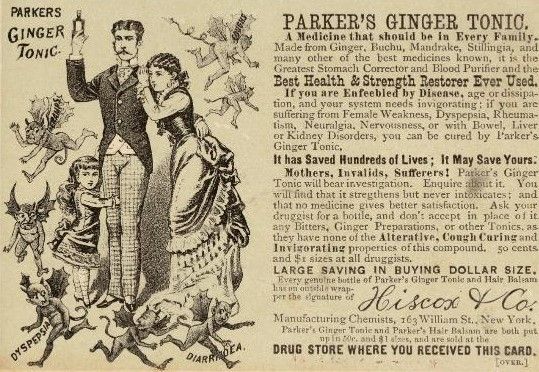
In addition, the availability of medicines was often inconsistent. Many treatments were based on herbal remedies or untested substances, leading to questionable efficacy. For instance, the use of mercury in treating syphilis was common, despite its severe side effects and toxicity.
A notable example of the limitations of 19th-century medicine can be seen in the treatment of infectious diseases. Diseases like cholera and tuberculosis resulted in significant mortality rates. Cholera outbreaks in the 1830s and 1840s claimed hundreds of thousands of lives before the understanding of transmission was grasped.
| Disease | Estimated Deaths | Year |
|---|---|---|
| Cholera | Over 1 million (1832-1866 outbreaks) | 1832-1866 |
| Tuberculosis | Estimated 1 in 7 deaths | Throughout the century |
Moreover, societal attitudes towards medicine played a role in its limitations. Many individuals relied on home remedies and traditional practices, often ignoring professional medical advice. This reluctance to embrace new medical findings hindered the progress that could have been made in patient care and treatment options.
The transition from traditional to modern medicine
The transition from traditional to modern medicine during the 19th century marked a pivotal shift in healthcare practices. This transformation was influenced by various factors, including advancements in scientific understanding, the development of new technologies, and a growing emphasis on empirical evidence.
One of the most notable changes was the move away from humoral theory, which dominated medical thought for centuries. Physicians began to adopt a more systematic approach to diagnosis and treatment, emphasizing observation and experimentation. This shift was significantly propelled by the works of medical pioneers such as Louis Pasteur and Joseph Lister, who introduced the concepts of germ theory and antiseptic techniques, respectively.
- Germ Theory: Proposed by Louis Pasteur in the 1860s, this theory established that microorganisms cause diseases, leading to improved sanitation and hygiene practices.
- Antiseptic Techniques: Joseph Lister’s introduction of antiseptics in surgical procedures in the 1860s dramatically reduced infection rates and surgical mortality.
- Anesthesia: The use of ether and chloroform in surgery during the 1840s revolutionized surgical practices, making procedures less painful and more humane.
As these new practices gained acceptance, traditional methods such as bloodletting and the use of herbal remedies declined. The 19th century also saw the establishment of medical schools that focused on rigorous training in anatomy, physiology, and pathology. For example, the establishment of the Johns Hopkins School of Medicine in 1893 set a new standard for medical education, emphasizing research and clinical practice.
Moreover, the advancement of medical instruments, such as the stethoscope invented by René Laennec in 1816, enhanced diagnostic capabilities, allowing physicians to listen to internal body sounds and assess patient conditions more accurately.
The transition to modern medicine during the 19th century was characterized by a significant shift towards evidence-based practices, the decline of traditional methods, and the establishment of formal medical education. This period laid the groundwork for the advanced medical practices we rely on today.
Frequently Asked Questions
What were the common medical treatments in the 19th century?
Common medical treatments included bloodletting, herbal remedies, and the use of laudanum for pain relief. Surgery was often performed without anesthesia, and practices like trepanation were used to treat head injuries. Many treatments were based on limited scientific understanding.
How did anesthesia change 19th-century medicine?
The introduction of anesthesia in the mid-19th century revolutionized surgery. It allowed for pain-free procedures, significantly reducing patient suffering. This advancement also enabled surgeons to perform more complex operations, which were previously deemed impossible due to the pain associated with them.
Who were some key figures in 19th-century medicine?
Key figures included Florence Nightingale, who improved nursing practices, and Joseph Lister, known for promoting antiseptic techniques. Additionally, Louis Pasteur contributed to germ theory, which profoundly influenced medical practices and public health.
What were the limitations of medical treatments in the 19th century?
Limitations included a lack of understanding of disease transmission and inadequate surgical techniques. Many treatments were based on outdated theories, often leading to ineffective or harmful practices. Additionally, access to medical care was limited for many populations.
How did public health evolve during the 19th century?
Public health evolved significantly due to the industrial revolution, which highlighted the need for sanitation and disease prevention. Initiatives focused on improving water supplies and waste management, leading to better health outcomes and the establishment of public health systems.
Conclusion
The 19th century was a transformative era in medicine, characterized by the emergence of influential medical figures, the significant challenges faced by practitioners, and the vital transition from traditional to modern medical practices. These aspects collectively shaped the healthcare landscape we recognize today. By understanding these historical developments, readers can appreciate the evolution of medical treatments and apply this knowledge to better navigate contemporary healthcare challenges. Recognizing past innovations can inspire a proactive approach to health management. To delve deeper, explore further resources on 19th-century medical advancements and their lasting impact on modern practices. Your journey into the history of medicine can enrich your perspective on current healthcare.