Have you ever considered how the development of medical equipment shaped healthcare practices in the 19th century? This era witnessed significant challenges and innovations that transformed patient care and surgical procedures, reflecting a pivotal moment in medical history.
In this article, you will discover the evolution of medical instruments during the 19th century, highlighting key innovations that revolutionized the field. Understanding these advancements is valuable for recognizing how they laid the foundation for modern medical technology.
We will explore common surgical tools, notable inventions, and the impact of these advancements on medical practices, providing insights into the remarkable journey of healthcare during this transformative period.
Evolution of medical instruments in the 19th century
The 19th century marked a significant turning point in the development of medical instruments. Innovations in technology, along with an increased understanding of human anatomy, led to the creation of tools that greatly improved surgical procedures and patient care. One of the most notable advancements was the introduction of anesthesia, which revolutionized surgery.
Prior to the 19th century, surgeries were often performed without any pain relief, making them traumatic for patients. The first successful use of ether anesthesia occurred in 1846 by dentist William Morton, which opened the door for more complex surgical procedures. Surgeons could now operate with precision and without the limitations imposed by patient discomfort.
- Surgical Scissors: Improved designs allowed for greater precision.
- Forceps: New types, such as the obstetrical forceps, became essential in childbirth.
- Stethoscopes: Invented in 1816 by René Laennec, it enabled doctors to listen to internal sounds of patients.
- Thermometers: The clinical thermometer was refined, providing accurate temperature readings for diagnosis.
Another significant development was the introduction of the hypodermic syringe in 1853, invented by Alexander Wood. This device allowed for the direct delivery of medication into the bloodstream, which was a game changer for pain management and treatment of various ailments. Its adoption paved the way for modern vaccination techniques and the administration of anesthetics.
Throughout the century, the rise of medical societies and journals fostered collaboration among medical professionals, further driving innovation. For example, the establishment of the American Medical Association in 1847 provided a platform for the exchange of ideas and practices, ultimately enhancing the development of medical instruments.
As the century progressed, the demand for more advanced surgical instruments grew. The introduction of steel manufacturing techniques allowed for the creation of sharper, more durable instruments. By the end of the century, surgical kits were commonly used, containing a variety of tools tailored for specific procedures, highlighting the evolution and specialization of medical instruments during this transformative period.
Key innovations in 19th century medical technology
The 19th century witnessed groundbreaking advancements in medical technology, fundamentally changing the practice of medicine. These innovations enhanced diagnostic capabilities and improved patient care significantly.
- Anesthesia: The introduction of anesthesia in the mid-19th century revolutionized surgery. In 1846, William Morton successfully demonstrated ether anesthesia, allowing for painless surgical procedures.
- Antiseptic Techniques: Joseph Lister pioneered antiseptic techniques in the 1860s, significantly reducing postoperative infections. His use of carbolic acid as a disinfectant transformed surgical practices and outcomes.
- Stethoscope: Although invented in the early 19th century by René Laennec, the stethoscope became widely used during this period, enabling doctors to diagnose respiratory and heart conditions more accurately.
These innovations not only improved the safety of medical procedures but also increased the public’s confidence in surgical interventions. As the century progressed, the development of medical instruments continued to evolve, integrating new technologies and methodologies.
Another notable advancement was the creation of the ophthalmoscope by Hermann von Helmholtz in 1850. This instrument allowed for the examination of the interior of the eye, leading to better diagnoses of ocular diseases.
- X-rays: Discovered by Wilhelm Conrad Röntgen in 1895, X-rays revolutionized medical imaging. This innovation allowed physicians to visualize bones and internal structures without invasive procedures.
- Blood Pressure Measurement: The invention of the sphygmomanometer by Samuel Siegfried Karl von Basch in 1881 enabled the systematic measurement of blood pressure, enhancing cardiovascular care.
Overall, the key innovations of the 19th century laid the groundwork for modern medical practices. These advancements not only improved treatment outcomes but also fostered a greater understanding of human anatomy and pathology.
Common surgical tools used during the 19th century
The 19th century saw a variety of surgical tools that were essential for medical practitioners. These instruments were often crafted from high-quality materials like stainless steel, which improved durability and sterilization practices. Some of the common surgical tools used during this period include:
- Scalpel: A small knife used for incisions, usually with a sharp blade. The design evolved throughout the century, with improvements in blade size and shape.
- Forceps: Used for grasping and holding tissues. Various types emerged, including artery forceps and tissue forceps, each designed for specific tasks.
- Scissors: Surgical scissors were crafted for precise cutting, with designs like Metzenbaum scissors becoming popular for delicate tissue dissection.
- Needle holder: This tool was essential for suturing wounds. It allowed surgeons to hold needles firmly while stitching up incisions.
In addition to these basic instruments, some tools were specifically designed for certain procedures. For example, the trephine was used for drilling holes into the skull to relieve pressure during surgeries related to head traumas. Its design was crucial for minimizing damage to surrounding tissue.
Another important tool was the amputation saw, which became increasingly refined during the century. These saws featured curved blades that allowed for smoother cuts, making the amputation process less traumatic for patients. The introduction of anesthesia in the mid-1800s also transformed the way surgeries were performed, as it allowed surgeons to operate with greater precision.
| Instrument | Function | Year Introduced |
|---|---|---|
| Scalpel | Incisions | Varied, but modern designs in the early 1800s |
| Forceps | Grasping tissues | Early 19th century |
| Amputation saw | Bone cutting | Mid-19th century |
| Trephine | Skull drilling | Early 19th century |
These surgical tools not only improved the efficiency of surgical procedures but also significantly impacted patient outcomes. The evolution of these instruments reflects the broader advancements in medical science during the 19th century, which laid the groundwork for modern surgical practices.
The impact of 19th century medical equipment on patient care
The introduction of advanced medical equipment in the 19th century had a profound impact on patient care. Innovations such as the stethoscope, anesthesia, and antiseptic techniques transformed how doctors diagnosed and treated illnesses. These advancements not only increased the effectiveness of treatments but also significantly reduced patient mortality rates.
One of the critical developments was the use of anesthesia. Before its introduction, surgical procedures were excruciating for patients. With the advent of ether and chloroform in the mid-1800s, surgeries became less traumatic. For example, the first successful use of chloroform as an anesthetic was in 1847 during a childbirth procedure, which marked a turning point in obstetric care.
- Stethoscope: Invented in 1816 by René Laennec, it allowed doctors to listen to internal sounds, improving diagnostic accuracy.
- Antiseptic Techniques: Joseph Lister introduced the use of carbolic acid in the 1860s, drastically reducing post-surgical infections.
- Surgical Instruments: The development of specialized tools, such as the scalpel and forceps, improved surgical precision and outcomes.
Another significant advancement was the introduction of medical imaging. The discovery of X-rays in 1895 by Wilhelm Conrad Röntgen provided a non-invasive method for examining the human body. This technology revolutionized diagnostics, allowing physicians to identify fractures and other internal conditions without surgery.
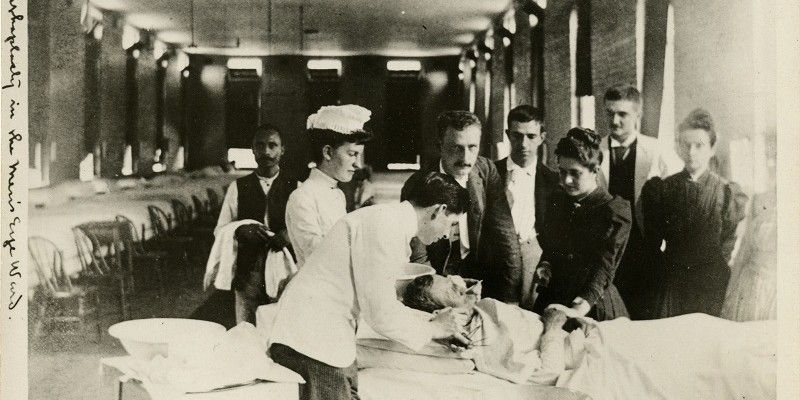
Furthermore, the establishment of hospitals equipped with modern facilities improved patient care significantly. By the latter half of the century, hospitals began to implement standardized procedures and equipment, ensuring a uniform quality of care. For instance, the establishment of the first nursing schools during this period contributed to better patient management and recovery rates.
The advancements in 19th-century medical equipment played a crucial role in improving patient care. These innovations not only enhanced the precision of treatments but also fostered a more humane approach to medicine, ultimately laying the groundwork for modern healthcare practices.
Materials and manufacturing techniques for medical devices in the 1800s
The 19th century marked a significant evolution in the materials and manufacturing techniques used for medical devices. The transition from traditional materials to more advanced ones enabled the production of safer and more effective medical instruments.
One of the primary materials used during this period was stainless steel, which began to gain popularity due to its resistance to rust and corrosion. Prior to this, surgical instruments were typically made from bronze or iron, which had limitations in durability and cleanliness.
- Wood: Used for handles of surgical tools and medical furniture.
- Glass: Essential for vials and other equipment used in laboratories.
- Rubber: Emerged as a material for various medical devices, including catheters.
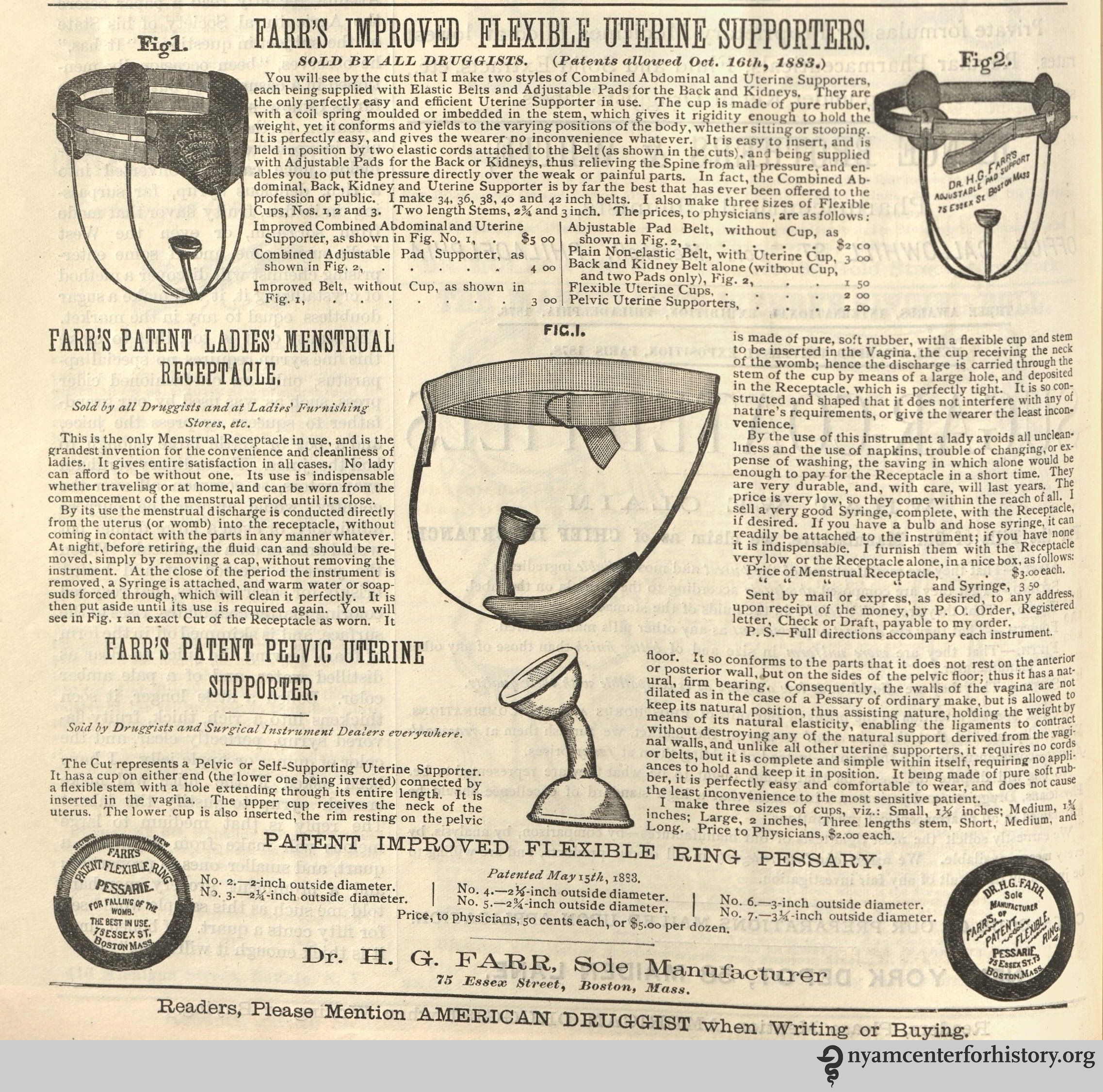
Manufacturing techniques also saw significant advancements. The introduction of mass production methods, particularly after the Industrial Revolution, allowed for the standardized production of medical instruments. This was exemplified by the establishment of factories that could produce thousands of instruments in a fraction of the time it previously took.
For instance, in the mid-1800s, the American company Blake & Co. began producing surgical instruments on a large scale. By the 1870s, their output included over 100 different types of surgical tools, making them widely available to hospitals and practitioners.
Additionally, innovations in casting and forging techniques enhanced the quality and precision of instruments. For example, the development of the drop forge allowed for improved shaping of metal, leading to sharper and more reliable surgical tools.
Overall, the combination of new materials and advanced manufacturing techniques revolutionized medical equipment in the 1800s, contributing to more effective patient care and safer surgical practices.
Famous medical inventors and their contributions in the 19th century
The 19th century was a remarkable period for medical innovation, characterized by the contributions of several pioneering inventors. These individuals not only advanced medical equipment but also transformed patient care practices. One of the most notable figures was Joseph Lister, who introduced antiseptic techniques in surgery, significantly reducing postoperative infections.
Another key inventor was James Simpson, who discovered the anesthetic properties of chloroform in 1847. This breakthrough allowed for painless surgical procedures, enhancing the overall patient experience. Lister’s and Simpson’s advancements laid the groundwork for modern surgical practices, emphasizing the importance of hygiene and patient comfort.
- Joseph Lister: Introduced antiseptic surgery in the 1860s, leading to a dramatic decrease in surgical mortality rates.
- James Simpson: Pioneered the use of chloroform for anesthesia, revolutionizing pain management in surgical settings.
- Louis Pasteur: Developed germ theory and pasteurization techniques in the 1860s, which influenced the understanding of disease transmission.
- Edward Jenner: Created the smallpox vaccine in 1796, paving the way for immunization practices well into the 19th century.
Moreover, Louis Pasteur made significant strides in microbiology during the late 19th century. His germ theory of disease, established in the 1860s, changed the way infections were understood and treated. This theory led to better sanitation practices and the development of vaccines, influencing public health policies worldwide.
In addition, Edward Jenner‘s work on vaccination against smallpox, although initiated in the late 18th century, continued to impact medical practices throughout the 19th century. The smallpox vaccine not only reduced mortality rates but also initiated the practice of vaccination against other diseases, shaping modern preventive medicine.
The contributions of these inventors demonstrated how innovation could enhance medical practices, ultimately leading to improved health outcomes. Their groundbreaking work continues to influence contemporary medicine, showcasing the lasting legacy of 19th-century medical inventions.
Challenges faced by 19th century medical practitioners
The 19th century presented numerous challenges for medical practitioners, significantly impacting their ability to provide effective patient care. These obstacles were rooted in various aspects of the medical field, including knowledge limitations, technological constraints, and societal attitudes.
- Lack of Anesthesia: Prior to the introduction of ether and chloroform in the 1840s, surgery was often performed without any pain relief. This made surgical procedures extremely traumatic for patients and deterred many from seeking necessary surgical interventions.
- Inadequate Understanding of Hygiene: Medical practitioners often worked in environments lacking proper sanitation. The germ theory of disease was not widely accepted until later in the century, leading to high rates of infection and mortality during and after surgeries.
- Limited Diagnostic Tools: Physicians relied heavily on their senses for diagnosis. The absence of advanced diagnostic equipment, such as X-rays, made it challenging to identify and treat conditions accurately.
Moreover, the educational landscape for medical practitioners was inconsistent. Many medical schools lacked standardized curricula, resulting in varying levels of training among practitioners. For instance, while some graduates had rigorous training, others might have attended poorly regulated institutions, leading to a disparity in skills and knowledge.
- Resistance to New Ideas: Many established practitioners were skeptical of new medical advancements. For example, the introduction of antiseptic techniques by Joseph Lister in the 1860s faced opposition from those who were accustomed to traditional methods.
- Societal Attitudes Toward Medicine: Patients often viewed medical practitioners with suspicion. This distrust was exacerbated by the prevalence of charlatans and unqualified individuals posing as doctors, which tarnished the reputation of legitimate practitioners.
- Limited Access to Medical Care: Rural populations often faced significant barriers in accessing medical care. The scarcity of practitioners in these areas meant that many individuals remained untreated for various ailments.
Despite these challenges, many practitioners persevered, paving the way for advancements in medical practice. Figures such as Florence Nightingale, who emphasized the importance of sanitation in nursing, played a crucial role in improving patient outcomes during this tumultuous period.
Preservation and display of 19th century medical equipment today
The preservation and display of 19th century medical equipment play a crucial role in understanding the evolution of medical practices. Museums and educational institutions often showcase these artifacts to educate the public about historical medical advancements. Proper preservation techniques are essential to maintain the integrity of these items.
Many institutions utilize climate-controlled environments to protect medical equipment from deterioration. This includes regulating humidity and temperature levels to prevent rust and corrosion on metal instruments. For example, the National Museum of Health and Medicine in the United States employs specialized cases that filter light and control environmental factors.
- Materials used in preservation: Glass cases, archival-quality materials, and UV-filtering films help protect artifacts.
- Techniques: Regular monitoring and maintenance, including cleaning and inspections, are vital to prolong the life of these historical items.
- Display practices: Items are often displayed with informative plaques that provide context about their use and significance.
In addition to preservation, the display of medical equipment serves an educational purpose. For instance, the Science Museum in London features a collection of surgical instruments from the 1800s, showcasing their design and functionality. These exhibits often include interactive elements that engage visitors in the history of medicine.
Moreover, some exhibitions focus on the stories behind specific instruments. For example, the display of the early anesthetic machines illustrates the transition from painful surgeries to more humane practices. This not only highlights technological advancements but also emphasizes the ethical evolution in patient care.
| Institution | Exhibit Focus | Preservation Techniques |
|---|---|---|
| National Museum of Health and Medicine | Historical medical instruments | Climate control, archival materials |
| Science Museum (London) | Surgical instruments | UV-filtering displays |
| Medical History Museum (Paris) | Medical practices in the 1800s | Regular maintenance and monitoring |
Overall, the preservation and display of 19th century medical equipment not only honor the past but also serve as a bridge to understanding contemporary medical practices. These efforts ensure that future generations can appreciate the innovations that have shaped healthcare as we know it today.
Comparison between 19th century and modern medical instruments
The comparison between 19th century and modern medical instruments highlights significant advancements in technology, materials, and techniques. In the 1800s, medical tools were primarily handcrafted, often lacking precision and standardization. In contrast, today’s instruments benefit from advanced manufacturing processes, ensuring high accuracy and reliability.
For instance, the stethoscope was invented in 1816 by René Laennec. Early versions were simple wooden tubes, while modern stethoscopes feature sophisticated acoustics and electronic enhancements, allowing for clearer sound transmission and enhanced diagnostic capabilities.
- Scalpel: 19th-century scalpels were made of basic metals, often leading to dull blades after minimal use. Today’s scalpels utilize high-grade stainless steel or even carbon fiber, providing durability and precision.
- Surgical instruments: Tools like forceps and clamps were rudimentary and often required frequent sterilization. Modern surgical instruments are made from materials that reduce infection risk, featuring ergonomic designs that enhance the surgeon’s control.
- Imaging technology: The 19th century relied on physical examinations and rudimentary X-rays, introduced in the 1890s. Today, advanced imaging techniques such as MRI and CT scans provide detailed internal visuals, revolutionizing diagnosis.
Another example is the thermometer. The early mercury thermometers were fragile and dangerous. Modern digital thermometers offer quick and accurate readings with user-friendly interfaces, making them safer and more efficient for both patients and healthcare providers.
The evolution of medical instruments from the 19th century to the present day reflects a broader trend in healthcare. The transition from manual, often unreliable devices to sophisticated, precise instruments has drastically improved patient outcomes and the overall quality of care. As technology continues to advance, we can expect further innovations that will continue to shape the future of medicine.
Frequently Asked Questions
What were the major challenges for medical practitioners in the 19th century?
Medical practitioners in the 19th century faced numerous challenges, including a lack of advanced technology and limited understanding of hygiene. These factors contributed to high mortality rates and hindered effective patient care, making medical practice extremely difficult during this period.
How is 19th century medical equipment preserved today?
The preservation of 19th century medical equipment is essential for historical understanding. Institutions utilize climate-controlled environments and specialized displays to protect these artifacts from deterioration, ensuring that they remain accessible for educational and research purposes.
Where can I view 19th century medical instruments?
19th century medical instruments can be viewed in various museums, particularly those focused on medical history or science. Institutions often have dedicated exhibits that showcase these tools, providing insights into the evolution of medical practices over time.
What are the key differences between 19th century and modern medical instruments?
The primary differences between 19th century and modern medical instruments include advancements in materials, technology, and design. Modern instruments are often more precise, safer, and easier to use, reflecting significant progress in medical science and engineering.
What role does 19th century medical equipment play in education today?
19th century medical equipment serves as a valuable educational tool, illustrating the historical context of medical practices. By studying these instruments, students and professionals can gain a deeper appreciation for advancements in healthcare and the challenges faced by earlier practitioners.
Conclusion
The 19th century presented significant challenges to medical practitioners, including limited technology and inadequate understanding of diseases. The preservation of 19th century medical equipment today enhances our comprehension of medical evolution. Furthermore, comparing these instruments with modern ones reveals remarkable advancements in medical practices. By understanding the historical context of medical equipment, readers can appreciate the progress made in healthcare. This knowledge fosters a deeper respect for current practices and encourages informed discussions about future advancements. Explore local museums or online exhibitions showcasing 19th century medical equipment to gain firsthand insights into the evolution of medicine. Engage with this history and enrich your understanding of modern healthcare.