Have you ever considered how the political upheavals and technological advancements of the second half of the 19th century shaped our modern world? This period was marked by rapid changes that not only transformed nations but also redefined social structures and cultural norms.
In this article, you will discover the pivotal events that influenced political landscapes, the impact of industrialization on economies, and the rise of social movements advocating for change. Understanding these developments is essential for comprehending contemporary societal dynamics.
We will explore key themes such as the significant revolutions, the relentless push for technological innovation, and the cultural transformations that emerged during this transformative era.
Political changes and revolutions in the second half of the 19th century
The second half of the 19th century was a period marked by significant political changes and numerous revolutions across the globe. These events reshaped nations and altered the course of history, reflecting the rising tide of nationalism, liberalism, and social change.
One of the most notable revolutions was the French Revolution of 1848, which resulted in the establishment of the Second Republic. This revolution was part of a broader wave of uprisings known as the Revolutions of 1848, which spread across Europe, including the German states, Austria, and Italy. The revolutionary fervor was fueled by demands for political rights, social justice, and national unification.
- Revolutions of 1848: These revolutions highlighted the struggles between conservative forces and the rising demands for democracy.
- Italian Unification (Risorgimento): This movement culminated in the establishment of the Kingdom of Italy in 1861, driven by figures like Giuseppe Garibaldi and Count Camillo di Cavour.
- German Unification: The unification process, led by Otto von Bismarck, culminated in the establishment of the German Empire in 1871, following the Franco-Prussian War.
In Asia, the **Taiping Rebellion** (1850-1864) in China was one of the deadliest conflicts in history, resulting in an estimated 20 million deaths. This internal strife was fueled by dissatisfaction with the Qing Dynasty and a desire for social reforms. The rebellion was led by Hong Xiuquan, who proclaimed himself the brother of Jesus Christ, attracting a massive following.
Meanwhile, in the Americas, the American Civil War (1861-1865) was a pivotal conflict that arose from deep-seated issues related to slavery and states’ rights. The war resulted in the abolition of slavery and a significant shift in the political landscape of the United States, emphasizing the importance of federal authority over state autonomy.
These events in the second half of the 19th century set the stage for the modern political world, illustrating how revolutions and political changes were intertwined with social movements and national identity.
Industrialization and technological advancements
The second half of the 19th century witnessed a remarkable wave of industrialization that transformed economies and societies. This period saw the emergence of new technologies that revolutionized manufacturing and transportation. Factories proliferated, leading to urbanization and significant changes in labor patterns.
- Steam power: The steam engine became a cornerstone of industrialization, powering machinery and locomotives. By 1870, steam engines were widespread in industries, facilitating mass production.
- Textile innovations: The introduction of the Jacquard loom and the sewing machine by Elias Howe in 1846 significantly boosted textile production efficiency, reducing costs and labor.
- Railroads: The expansion of the railroad network connected distant regions, enabling quicker transportation of goods and people. By the end of the 19th century, the United States had over 200,000 miles of railroad tracks.
Technological advancements were not limited to transportation and textiles. The invention of the telegraph by Samuel Morse in the 1830s revolutionized communication, allowing messages to be sent over long distances rapidly. This innovation played a vital role in coordinating business operations and enhancing news dissemination.
Additionally, the growth of the steel industry, particularly with the Bessemer process developed in the 1850s, enabled the mass production of steel. This process dramatically lowered costs and increased the availability of steel, paving the way for construction and infrastructure projects.
- Electricity: The late 19th century saw the advent of electricity as a new power source. Thomas Edison’s invention of the electric light bulb in 1879 transformed urban life, leading to the establishment of electrification in cities.
- Chemical advancements: Innovations in chemistry led to the creation of synthetic dyes, fertilizers, and explosives, impacting industries such as agriculture and manufacturing.
The cumulative effect of these advancements was profound. By the end of the century, industrialized countries had significantly higher productivity levels, which contributed to economic growth and the rise of consumer culture. The consequences of industrialization were felt globally, influencing trade patterns and international relations.
Social movements and cultural transformations
The second half of the 19th century was characterized by a surge of social movements that aimed to address various issues, including labor rights, women’s suffrage, and racial equality. These movements reflected the changing social dynamics as industrialization progressed and urban populations grew.
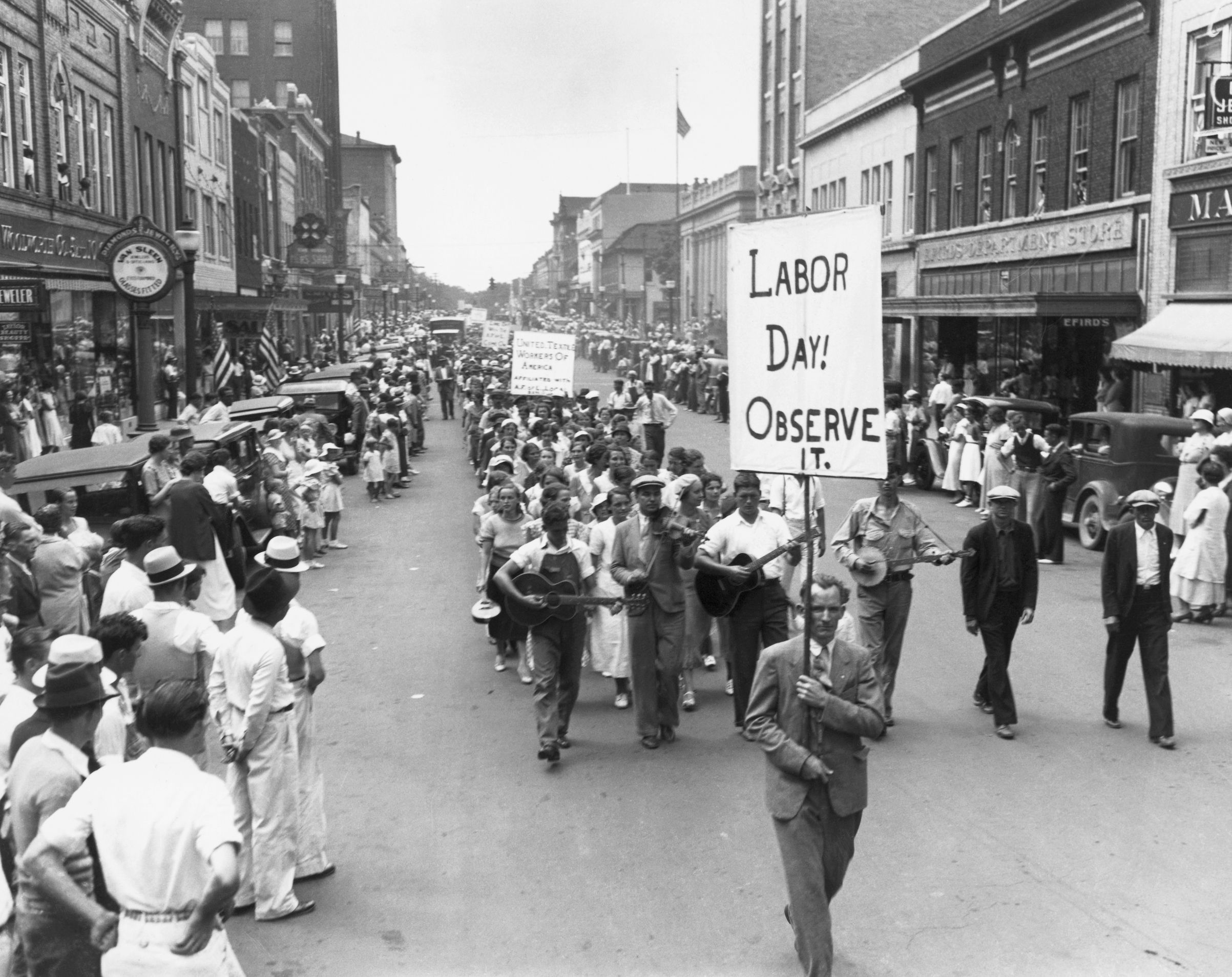
One of the most significant movements was the labor movement, which emerged in response to the harsh working conditions in factories. Workers organized strikes and formed unions to demand better wages, reasonable working hours, and safer work environments. For instance, the Great Railroad Strike of 1877 in the United States marked a pivotal moment, showcasing the power of collective action when thousands of railroad workers protested against wage cuts.
- Labor Movement Achievements:
- Eight-hour workday advocacy.
- Establishment of minimum wage laws.
- Formation of labor unions like the American Federation of Labor in 1886.
Meanwhile, the women’s suffrage movement gained momentum as women began to challenge societal norms. In the 1860s and 1870s, figures such as Elizabeth Cady Stanton and Susan B. Anthony campaigned for women’s voting rights in the United States. The Seneca Falls Convention of 1848 laid the groundwork, but it was in the late 19th century that these efforts intensified, with many states and countries starting to recognize women’s right to vote.
In addition to labor and women’s rights, the abolitionist movement sought to end slavery, particularly in the United States. The Civil War (1861-1865) was a crucial turning point, resulting in the Emancipation Proclamation of 1863, which declared the freedom of slaves in Confederate states. The push for racial equality continued through the establishment of organizations such as the NAACP in 1909, laying the foundation for future civil rights movements.
| Movement | Key Figures | Major Achievements |
|---|---|---|
| Labor Movement | Samuel Gompers | Formation of trade unions |
| Women’s Suffrage | Elizabeth Cady Stanton, Susan B. Anthony | Gaining voting rights |
| Abolitionist Movement | Frederick Douglass | Emancipation Proclamation |
These social movements not only transformed individual lives but also reshaped the cultural landscape of society, paving the way for further advancements in human rights and social justice in the 20th century and beyond.
Major wars and international conflicts
The second half of the 19th century was marked by a series of significant wars and international conflicts that reshaped global relations. Among these, the most notable include the Franco-Prussian War, the American Civil War, and various colonial conflicts.
The Franco-Prussian War (1870-1871) was a decisive conflict between the French Empire and the Kingdom of Prussia, along with its German allies. This war resulted from rising tensions over territorial disputes and the ambitions of Prussia’s Chancellor, Otto von Bismarck. The war concluded with a stunning victory for Prussia, leading to the unification of Germany and the establishment of the German Empire in January 1871.
- Franco-Prussian War: 1870-1871, led to the unification of Germany.
- American Civil War: 1861-1865, a pivotal conflict over slavery and states’ rights.
- Second Opium War: 1856-1860, which expanded British control in China.
- Russo-Turkish War: 1877-1878, leading to the independence of several Balkan states.
The American Civil War (1861-1865) was another major conflict, primarily fought over the issues of slavery and state sovereignty. The war was fought between the Northern states (the Union) and the Southern states (the Confederacy). It ultimately resulted in the preservation of the Union and the abolition of slavery, fundamentally changing the United States’ social and political landscape.
Additionally, the Second Opium War (1856-1860) further illustrated the imperial ambitions of Western powers in Asia. This conflict involved Britain and France against China, resulting in the Treaty of Tientsin, which forced China to concede various territorial and trade rights to the Western powers.
These conflicts were not isolated; they influenced each other and contributed to a broader pattern of nationalism and imperialism that characterized the era. The outcomes of these wars set the stage for future geopolitical dynamics and conflicts in the 20th century.
Economic developments and global trade expansion
The second half of the 19th century was a pivotal period for economic development and the expansion of global trade. The rise of industrialization not only transformed production but also created new markets and trade routes. By the 1870s, international trade volumes had increased significantly, with exports from Europe and North America dominating global markets.
- Increased production capabilities due to advancements in technology.
- Expansion of railroads and steamships facilitated faster transportation.
- Emergence of telegraph systems improved communication across borders.
One of the key factors driving economic growth was the establishment of large-scale industries. For instance, the United Kingdom saw its cotton textile industry grow exponentially, producing over 2 billion yards of fabric annually by the 1880s. This surge not only catered to domestic needs but also created a robust export market, particularly in India and the Americas.
Moreover, the introduction of free trade policies in several countries further stimulated economic interactions. The Cobden-Chevalier Treaty of 1860 between Britain and France exemplified this shift, reducing tariffs and promoting bilateral trade. As a result, trade between the two nations surged, with French exports to Britain increasing by approximately 30% within a decade.
In addition to Europe, the United States emerged as a significant player in global trade. The completion of the Transcontinental Railroad in 1869 opened up new opportunities for transporting goods across the continent. By the 1890s, American exports included a variety of products such as wheat, corn, and manufactured goods, marking a shift in global economic power.
| Region | Key Exports (1880) | Percentage of Global Trade |
|---|---|---|
| Europe | Cotton textiles, machinery | 45% |
| North America | Agricultural products, coal | 25% |
| Asia | Silk, spices | 15% |
These economic developments not only reshaped local economies but also laid the groundwork for the interconnected global marketplace we recognize today. As nations increasingly relied on each other for resources and markets, the foundations of modern globalization were firmly established in this transformative era.
Scientific discoveries and innovations
The second half of the 19th century was a remarkable era for scientific discoveries and innovations that fundamentally changed society. This period saw significant advancements across various fields, including medicine, physics, and engineering, greatly influencing everyday life and industry.
One of the most notable innovations was the development of the telephone by Alexander Graham Bell in 1876. This invention revolutionized communication, allowing instantaneous voice transmission over long distances. By 1900, over 1.5 million telephones were in use in the United States, highlighting the rapid adoption of this technology.
- Electricity: The widespread use of electricity transformed industries and homes alike. Thomas Edison’s invention of the practical light bulb in 1879 marked a turning point, leading to the electrification of cities.
- Vaccination: Louis Pasteur’s work on germ theory and the development of vaccines for diseases such as rabies and anthrax laid the groundwork for modern immunology, significantly reducing mortality rates.
- Transportation: The invention of the internal combustion engine and advancements in railway technology facilitated faster and more efficient transportation, paving the way for the modern transportation system.
In addition to these breakthroughs, the field of physics experienced groundbreaking developments. James Clerk Maxwell formulated the theory of electromagnetism, which unified electricity and magnetism, leading to innovations in telecommunications and engineering.
Furthermore, the introduction of the periodic table by Dmitri Mendeleev in 1869 provided a systematic framework for understanding chemical elements. This organization not only advanced the field of chemistry but also laid the foundation for future discoveries in materials science.
These scientific advancements were not merely theoretical; they had practical applications that improved daily life. For example, the advent of antiseptic techniques by Joseph Lister in the 1860s dramatically reduced infections during surgical procedures, saving countless lives.
Overall, the second half of the 19th century was a time of profound scientific advancement that shaped the modern world. These innovations not only enhanced productivity and efficiency but also transformed societal norms and expectations, setting the stage for the 20th century.
Urbanization and demographic shifts
The second half of the 19th century witnessed profound urbanization and significant demographic shifts that transformed societies across the globe. As industrialization progressed, people migrated from rural areas to urban centers in search of better employment opportunities and living conditions.
By the end of the century, major cities experienced explosive growth, with populations swelling dramatically. For example, London’s population rose from approximately 2.8 million in 1851 to over 6.5 million by 1901. Similarly, cities like New York and Paris saw substantial increases, driven by both domestic migration and international immigration.
- Reasons for Urbanization:
- Industrial jobs: Factories attracted workers seeking employment.
- Transportation advancements: The expansion of railroads facilitated the movement of people.
- Rural poverty: Economic hardships in the countryside pushed many towards cities.
- Demographic Changes:
- Increased life expectancy: Advances in medicine and sanitation contributed to population growth.
- Immigration waves: Millions from Europe and Asia settled in urban areas.
- Urban diversity: Cities became melting pots of cultures and ethnicities.
As urban areas expanded, they faced numerous challenges. Overcrowding led to inadequate housing and public services, resulting in poor living conditions for many. Diseases like cholera and typhoid fever became rampant in densely populated neighborhoods, highlighting the need for improved urban planning and health measures.
Governments began to respond to these urban challenges by implementing reforms aimed at improving infrastructure and living conditions. For instance, the introduction of sanitation systems and public health initiatives in cities like Paris under the direction of Georges-Eugène Haussmann significantly improved urban environments.
Overall, the urbanization and demographic shifts of the second half of the 19th century laid the groundwork for modern urban life, influencing social structures and economic practices that continue to evolve today.
Art and literature trends of the late 19th century
The late 19th century was characterized by significant shifts in artistic and literary expressions, reflecting the complexities of modern life and the rapid changes brought by industrialization. Movements such as Impressionism in art and Realism in literature emerged as responses to these societal transformations.
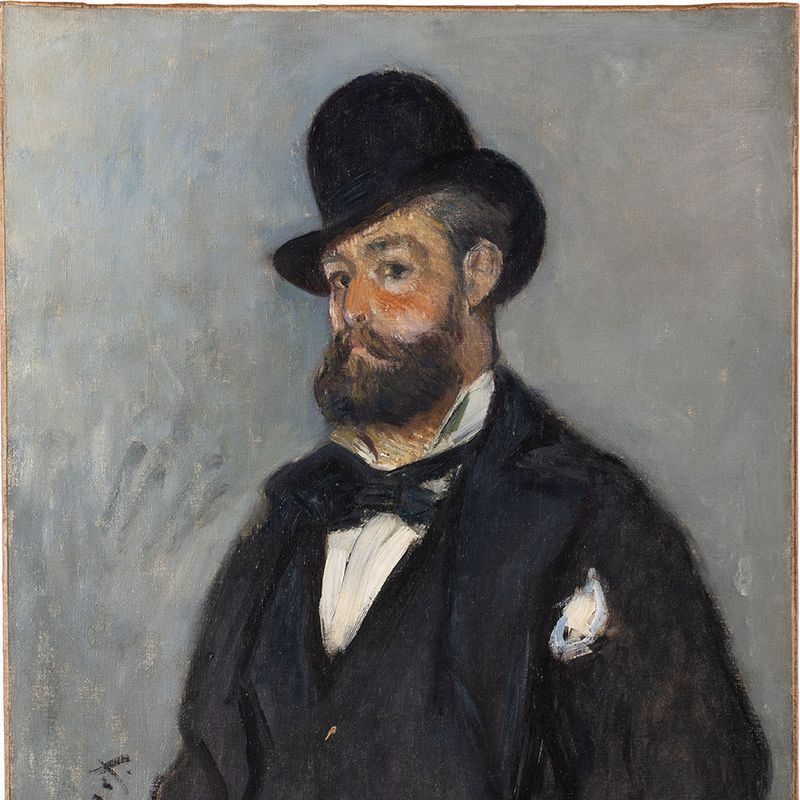
Impressionism, which began in France in the 1870s, focused on capturing fleeting moments and the effects of light. Renowned artists like Claude Monet and Pierre-Auguste Renoir emphasized color and light over detail, leading to a new way of seeing the world. This movement challenged traditional artistic conventions and paved the way for modern art.
- Claude Monet: Known for his series of water lilies and the famous painting “Impression, Sunrise” (1872).
- Pierre-Auguste Renoir: Celebrated for works like “Luncheon of the Boating Party” (1880-1881).
- Edgar Degas: Focused on ballet dancers, capturing movement and grace in pieces like “The Ballet Class” (1874).
In literature, the late 19th century saw the rise of Realism, a movement aimed at depicting everyday life without romantic embellishment. Authors such as Gustave Flaubert and Leo Tolstoy explored complex characters and social issues, reflecting the realities of contemporary society.
Flaubert’s “Madame Bovary” (1856) is a prime example of Realism, portraying the struggles of a woman trapped in a provincial life. Similarly, Tolstoy’s “Anna Karenina” (1877) delves into themes of love, infidelity, and societal constraints, showcasing the emotional depth and moral dilemmas faced by individuals.
| Art Movement | Key Artists | Notable Works |
|---|---|---|
| Impressionism | Claude Monet, Pierre-Auguste Renoir | “Impression, Sunrise”, “Luncheon of the Boating Party” |
| Realism | Gustave Flaubert, Leo Tolstoy | “Madame Bovary”, “Anna Karenina” |
This era also gave rise to literary movements such as Naturalism, which extended Realism by incorporating more scientific and deterministic views of human behavior. Writers like Émile Zola focused on the influence of environment and heredity on individuals, further expanding the landscape of literature during this transformative period.
Impact of imperialism and colonialism
The second half of the 19th century marked a significant turning point in global relations due to the expansion of imperialism and colonialism. Nation-states, particularly in Europe, sought to expand their territories to access resources, markets, and strategic advantages. This era was characterized by the rise of powerful empires, such as the British Empire, which dominated vast regions including India, parts of Africa, and the Caribbean.
- British Empire: By 1900, the British Empire controlled about 25% of the world’s land surface and a similar percentage of the global population.
- French Colonial Empire: France expanded its influence in North and West Africa, establishing control over Algeria in 1830 and forming protectorates in Tunisia and Morocco.
- German Empire: Although a latecomer to colonialism, Germany gained territories in Africa and the Pacific, leading to tensions with other European powers.
The motivations behind imperialism were both economic and ideological. European powers sought new markets for their manufactured goods and raw materials to fuel their industrial growth. The ideology of Social Darwinism justified the subjugation of non-European peoples, promoting the belief that Western civilization was superior.
Resistance to imperialism was prevalent, leading to significant conflicts and uprisings. Notable examples include:
- The Sepoy Mutiny (1857): A major uprising in India against British rule, which resulted in the end of the British East India Company’s control and the establishment of direct British governance.
- The Boxer Rebellion (1899-1901): An anti-foreign uprising in China, aimed at expelling foreign influence and led by the “Boxers,” which ultimately resulted in foreign intervention and greater control over China.
Furthermore, imperialism had lasting impacts on colonized regions, reshaping local economies, societies, and cultures. Indigenous populations faced displacement, cultural erosion, and exploitation. The introduction of new governance systems and economic practices often disregarded traditional ways of life, leading to social upheaval and long-term consequences.
Frequently Asked Questions
What were the main causes of urbanization in the late 19th century?
The main causes of urbanization in the late 19th century included industrialization, which created job opportunities in cities, and advancements in transportation, facilitating movement. Additionally, agricultural changes pushed rural populations to seek better living conditions and employment in urban areas.
How did art and literature reflect societal changes in the late 19th century?
Art and literature during this period mirrored the complexities of modern life and societal transformations. Movements like Realism and Impressionism emerged, focusing on everyday experiences and the human condition, thus addressing themes of industrialization, urbanization, and social issues.
What impact did imperialism have on global relations in the late 19th century?
Imperialism significantly altered global relations by establishing colonial empires that reshaped political and economic structures. It created competition among nations, leading to conflicts and alliances, and intensified cultural exchanges but also exploitation and resistance among colonized peoples.
How did demographic shifts affect cities in the late 19th century?
Demographic shifts resulted in rapid population growth in cities, leading to overcrowding and increased demand for housing, services, and infrastructure. This urban influx often resulted in both social challenges, such as poverty, and opportunities for cultural development and economic growth.
Where can I learn more about the cultural movements of the late 19th century?
To learn more about cultural movements like Realism and Impressionism, consider visiting museums with 19th-century collections, reading academic texts, or exploring online resources and databases focused on art history and literary studies from that era.
Conclusion
The second half of the 19th century was marked by significant urbanization and demographic shifts, transformative trends in art and literature, and the far-reaching impact of imperialism and colonialism. These elements combined to reshape societies and influence global relations profoundly. Understanding these historical changes allows readers to gain insights into contemporary social dynamics and cultural expressions. By applying this knowledge, one can better appreciate modern urban environments, artistic movements, and international relationships. Explore further into this transformative period by researching specific events or figures that shaped the late 19th century. Embrace the opportunity to deepen your understanding of history and its ongoing influence today.