Have you ever wondered how world fairs transformed societies in the 19th century? These grand exhibitions not only showcased innovations but also reflected the cultural and industrial aspirations of nations. Understanding their significance unlocks insights into a pivotal era of global change.
This article will explore the origins and evolution of world fairs, revealing the key innovations presented and their profound impacts on industrial and cultural development. By examining these events, readers will gain a clearer perspective on how they shaped modern society.
We will delve into the major fairs of the century, the groundbreaking technologies introduced, and the lasting legacy they left behind.
Origins and evolution of world fairs in the 19th century
The concept of world fairs, also known as international exhibitions, emerged in the 19th century as a means to showcase industrial progress and cultural exchange. The first significant event was the Great Exhibition of 1851 held in London. Organized by Prince Albert, this event marked a turning point in how nations presented their technological advancements and cultural heritage.
Following the success of the Great Exhibition, the popularity of world fairs surged. The Exposition Universelle in Paris in 1855 further established the format, featuring 22 nations and attracting over 5 million visitors. Such events became platforms for countries to demonstrate their industrial capabilities and artistic achievements.
- 1851: Great Exhibition, London – First world fair showcasing industrial progress.
- 1855: Exposition Universelle, Paris – Set the standard for future exhibitions.
- 1867: Exposition Universelle, Paris – Introduced the concept of national pavilions.
- 1876: Centennial Exposition, Philadelphia – Celebrated America’s 100th anniversary and featured innovations like the telephone.
World fairs not only highlighted technological advancements but also fostered international cooperation. The 1867 Exposition Universelle saw the introduction of national pavilions, allowing countries to create unique spaces representing their culture and industry. This concept became a hallmark of future exhibitions.
By the end of the 19th century, world fairs had evolved into grand spectacles. The 1893 World’s Columbian Exposition in Chicago celebrated the 400th anniversary of Columbus’s arrival in the Americas. It attracted over 27 million visitors and showcased innovations such as the Ferris wheel, which symbolized American ingenuity.
The 19th century was pivotal in shaping the world fair as a cultural and industrial phenomenon. From the initial exhibition in London to the extravagant events in Chicago, these fairs provided a unique platform for nations to interact, compete, and celebrate their achievements on a global stage.
Key innovations showcased at 19th-century world fairs
World fairs in the 19th century served as a platform for the introduction of groundbreaking innovations that transformed various industries. These exhibitions were not merely showcases of finished products but also demonstrations of technological advancements that shaped the modern world.
- The Steam Engine: The steam engine was a pivotal invention highlighted at several fairs. Its efficiency in powering machinery revolutionized industries, particularly in manufacturing and transportation. The 1851 Great Exhibition in London featured a remarkable steam engine designed by George Stephenson.
- Electric Light: The introduction of electric light systems, notably showcased by Thomas Edison in the late 1880s, marked a significant shift in urban infrastructure. By the end of the century, cities began to adopt electric lighting, enhancing public safety and extending hours of operation for businesses.
- Telegraphy and Communication: Innovations in communication were prominently displayed, including the telegraph. This technology drastically reduced communication times, enabling instant messaging over long distances. The 1867 Paris Exposition featured live demonstrations of telegraph systems, showcasing their potential for global connectivity.
Moreover, world fairs highlighted advancements in consumer goods that reflected the changing lifestyles of the time:
- Photography: The 1855 Exposition Universelle in Paris introduced early photographic technology, allowing for the mass production of images. This innovation not only changed art but also revolutionized how people documented their lives.
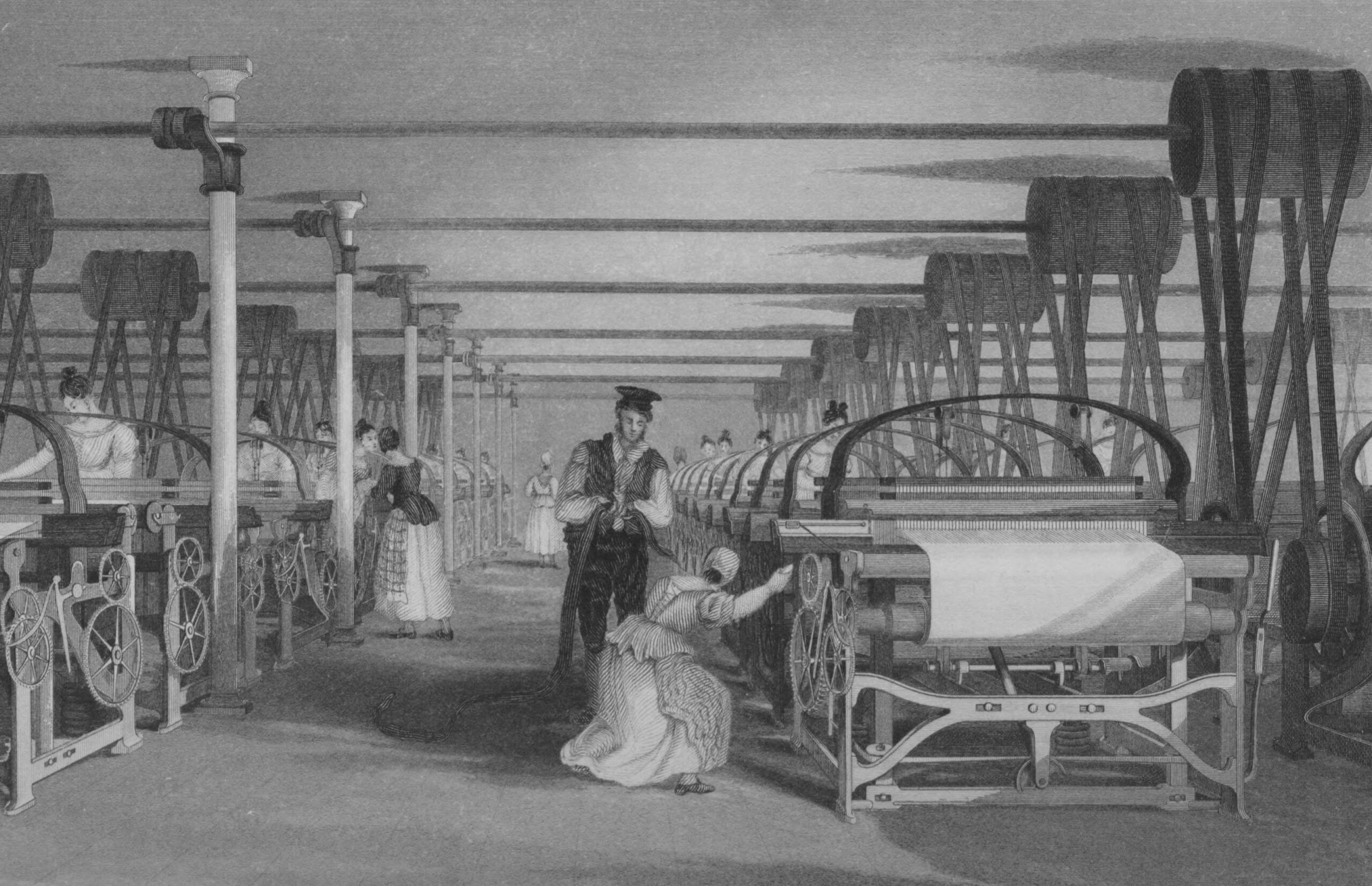
- Textile Machinery: The advancements in textile manufacturing were also noteworthy. The introduction of the Jacquard loom and other mechanized weaving processes at various fairs led to increased production efficiency and reduced costs for fabric manufacturing.
In addition to these innovations, world fairs facilitated international collaboration and competition among inventors and industrialists. For example, at the 1876 Centennial Exposition in Philadelphia, over 37 countries participated, fostering an environment of global exchange.
These innovations collectively contributed to the rapid industrialization seen during the 19th century, laying the groundwork for the technological advancements of the 20th century and beyond.
Impact of world fairs on industrial and cultural development
The impact of world fairs on industrial and cultural development during the 19th century was substantial. These exhibitions not only highlighted technological advancements but also fostered international collaboration and cultural exchange. The Great Exhibition of 1851 in London, for instance, attracted over six million visitors and showcased innovations like the locomotive and the sewing machine, which revolutionized transportation and textile industries, respectively.
- Global Collaboration: World fairs served as a meeting ground for nations, promoting diplomatic relations and economic partnerships.
- Knowledge Exchange: Experts from various fields gathered to share ideas, leading to advancements in science, engineering, and the arts.
- Cultural Representation: Nations displayed their unique artifacts and traditions, allowing for a rich tapestry of cultural exchange.
Another notable example is the Exposition Universelle in Paris in 1889, which celebrated the centennial of the French Revolution. This event introduced the iconic Eiffel Tower to the world, symbolizing engineering prowess and serving as a cultural landmark. The fair drew approximately 32 million visitors, illustrating the immense public interest in innovation and cultural heritage.
| World Fair | Location | Year | Key Innovation |
|---|---|---|---|
| Great Exhibition | London | 1851 | Crystal Palace |
| Exposition Universelle | Paris | 1889 | Eiffel Tower |
| World’s Columbian Exposition | Chicago | 1893 | Ferris Wheel |
Furthermore, these fairs significantly influenced urban planning and architecture. Cities often constructed grand pavilions and exhibition halls, which later became permanent landmarks. The impact extended beyond aesthetics; it also influenced social behaviors and public engagement with science and technology. This engagement paved the way for future innovations and cultural movements, making world fairs a cornerstone of 19th-century progress.
Famous world fairs and their historical significance
Throughout the 19th century, several world fairs became landmarks of cultural and technological achievement. Each fair not only showcased innovations but also reflected the sociopolitical climate of its time.
One of the most notable events was the 1851 Great Exhibition held at the Crystal Palace in London. It marked the first international exhibition of manufactured products. Over six million visitors attended, marveling at exhibits from various nations, which highlighted the industrial prowess of the era.
- 1867 Exposition Universelle in Paris: This fair introduced the world to the first public demonstration of the telephone by Alexander Graham Bell.
- 1876 Centennial Exposition in Philadelphia: Celebrating the 100th anniversary of American independence, it featured the debut of the telephone and showcased the advancements of American industry.
- 1880 Exposition Universelle in Melbourne: Notably marked by the introduction of electric lighting, which was a significant step in urban development.
- 1889 Exposition Universelle in Paris: This fair is renowned for the unveiling of the Eiffel Tower, which became a global symbol of architectural innovation.
Each world fair served as a critical juncture for nations to display their achievements. The 1893 World’s Columbian Exposition in Chicago, for instance, celebrated the 400th anniversary of Columbus’s arrival in the Americas. It introduced the Ferris Wheel, which symbolized the fair’s innovative spirit and attracted millions of visitors.
Another significant event was the 1897 Brussels International Exposition, which emphasized the importance of colonial empires. It showcased the resources and cultures of colonized nations, raising awareness of global interconnectivity and economic competition.
These fairs were not merely exhibitions; they were cultural phenomena that shaped public perception and influenced future innovations. By fostering international cooperation and competition, they laid the groundwork for modern globalization.
Architectural marvels introduced during 19th-century exhibitions
During the 19th century, world fairs became a showcase for architectural innovation, reflecting the technological advancements of the era. One of the most notable examples is the Crystal Palace, designed by Joseph Paxton for the Great Exhibition of 1851 in London. This structure, made of glass and iron, covered over 1.2 million square feet and featured 300,000 individual glass panes, setting a precedent for future exhibition venues.
Another remarkable architectural achievement was the Eiffel Tower, which debuted at the 1889 Exposition Universelle in Paris. Standing at 300 meters, it was the tallest man-made structure in the world at that time. The tower was constructed using 18,038 iron parts and held an impressive 2.5 million rivets, showcasing innovative engineering techniques.
- Crystal Palace (1851): 1.2 million square feet, 300,000 glass panes
- Eiffel Tower (1889): 300 meters tall, 18,038 iron parts
- Palais des Machines (1889): An impressive exhibition hall that housed industrial exhibits, covering 10 acres.
- Cologne Cathedral (completed in 1880): Featured at the Cologne Fair, it is a stunning example of Gothic architecture.
World fairs also introduced unique structures such as the Palais des Machines, which was part of the 1889 Paris Exposition. This remarkable building encompassed 10 acres and was designed to accommodate industrial exhibits in a monumental space, illustrating the era’s architectural scale and ambition.
The impact of these architectural marvels extended beyond their immediate environment. They inspired future generations of architects and engineers, leading to the development of iconic buildings worldwide. For instance, the design principles utilized in the Crystal Palace influenced the construction of modern greenhouses and exhibition spaces.
Moreover, these structures often served as symbols of national pride and technological prowess. The Eiffel Tower, for example, became a global icon of France and remains a testament to the innovative spirit of the 19th century. Such achievements not only defined the architectural landscape of the time but also fostered a sense of global connectivity and cultural exchange.
Role of world fairs in promoting international cooperation
World fairs in the 19th century played a critical role in fostering international cooperation. They served as platforms for nations to come together, showcasing their achievements while encouraging dialogue and collaboration. The fairs highlighted the importance of working together, leading to advancements in trade, technology, and cultural exchange.
One notable example is the 1851 Great Exhibition in London. This event marked the first international exhibition of manufactured products and attracted over six million visitors. Nations participated with a spirit of collaboration, sharing innovations and ideas. The fair not only emphasized national pride but also set the stage for future international cooperation.
- 1867 Exposition Universelle in Paris: Featured countries from around the world, showcasing advancements in various fields.
- 1876 Centennial Exposition in Philadelphia: Celebrated the United States’ 100th anniversary and facilitated international partnerships.
- 1880 Exposition Universelle in Melbourne: Fostered connections between Australia and other nations, promoting trade agreements.
These events showcased not only the best of each nation but also encouraged the sharing of knowledge. Countries recognized that collaboration could lead to economic and technological benefits. For example, at the 1889 Exposition Universelle in Paris, the Eiffel Tower was unveiled, symbolizing the innovative spirit of the time. Countries collaborated on construction techniques and engineering advancements, leading to a sharing of expertise that would benefit future projects.
In addition to technological advances, world fairs also promoted cultural understanding. The 1893 World’s Columbian Exposition in Chicago highlighted cultural contributions from around the globe, including art, cuisine, and traditions. Countries displayed their unique identities, allowing visitors to experience diverse cultures firsthand. This exchange fostered a sense of global community and mutual respect.
Overall, the role of world fairs in promoting international cooperation was profound. They acted as catalysts for dialogue, understanding, and collaboration among nations, shaping the industrial and cultural landscape of the 19th century.
Economic effects of world fairs on host cities
World fairs in the 19th century significantly impacted the economies of host cities. The influx of visitors, both domestic and international, stimulated various sectors, providing a boost that often lasted well beyond the events themselves. For instance, the Great Exhibition of 1851 in London attracted over six million visitors, generating substantial revenue for local businesses.
- Increased tourism: World fairs drew millions of visitors, leading to heightened demand for accommodations, dining, and entertainment.
- Job creation: The preparation for these events often required a large workforce, creating temporary and long-term job opportunities in construction, hospitality, and services.
- Infrastructure development: Host cities frequently invested in infrastructure, including transportation, utilities, and public spaces, enhancing overall urban development.
For example, the Exposition Universelle of 1889 in Paris not only showcased the Eiffel Tower but also led to significant urban improvements. The fair resulted in the construction of new rail links and the enhancement of public transportation systems, which benefited the city long after the event concluded.
Moreover, the economic ramifications extended to various industries. Local artisans and manufacturers showcased their products, gaining exposure to international markets. The 1876 Centennial Exposition in Philadelphia featured over 30 countries, allowing local businesses to network and expand their reach.
- Boost in local businesses: Many small businesses saw increased sales during the fairs, as visitors sought souvenirs and local products.
- Attraction of foreign investment: Successful fairs often led to foreign companies investing in local industries, further stimulating the economy.
- Long-term branding: Hosting a world fair enhanced a city’s reputation as a cultural and economic hub, attracting future investments and events.
The economic effects of world fairs on host cities were profound, influencing various sectors and leading to long-term urban and economic benefits. The legacy of these events can still be observed in the enhanced infrastructure and global recognition of the cities that hosted them.
Public reception and social changes influenced by world fairs
World fairs in the 19th century were not only exhibitions of technological progress but also significant events that influenced public perception and social dynamics. The first major world fair, the Great Exhibition of 1851 in London, attracted over six million visitors, showcasing the enthusiasm of the public toward innovation and cultural exchange.
This enthusiasm led to profound social changes, including shifts in class dynamics. For many, these fairs served as an opportunity to experience global cultures, breaking down social barriers. The inclusion of various nations’ exhibitions offered insights into different lifestyles, which could alter public opinion about foreign cultures.
- Increased accessibility: Fairs opened doors for the working class, allowing them to experience what was previously reserved for the elite.
- Cultural exchange: Exhibitions highlighted the importance of understanding and appreciating diverse cultures, fostering a sense of global citizenship.
- Women’s participation: Many fairs featured exhibits by women, showcasing their contributions to arts and sciences, which helped challenge traditional gender roles.
For example, the 1880 Exposition Universelle in Paris included notable female figures such as Marie Curie, who showcased scientific advancements. This representation was crucial in promoting women’s roles in society, encouraging future generations to pursue education and careers in various fields.
Moreover, public reception of these fairs often reflected contemporary societal issues. The 1893 World’s Columbian Exposition in Chicago, commemorating the 400th anniversary of Columbus’s arrival in America, faced criticism for its portrayal of indigenous peoples. This backlash highlighted the growing awareness of social justice issues and the need for a more accurate representation of history.
| World Fair | Year | Significant Social Change |
|---|---|---|
| Great Exhibition | 1851 | Class accessibility to global cultures |
| Exposition Universelle | 1880 | Promotion of women’s contributions |
| World’s Columbian Exposition | 1893 | Awareness of social justice issues |
The public reception of world fairs significantly influenced social changes throughout the 19th century. These events provided a platform for cultural exchange, challenged traditional societal norms, and fostered a growing awareness of social issues, leaving a lasting impact on society.
Legacy of 19th-century world fairs in modern exhibitions
The legacy of 19th-century world fairs is profoundly evident in contemporary exhibitions. These events pioneered the concept of showcasing innovation, culture, and art on a global stage, setting the foundation for how exhibitions are organized today. Their influence can be seen in various aspects, from the layout of exhibition spaces to the integration of technology.
One notable aspect is the theme-based approach adopted in modern exhibitions. The 1851 Great Exhibition in London, known for its Crystal Palace, introduced the idea of focusing on specific themes, such as technology, industry, and culture. Today, exhibitions like the Venice Biennale or the World Expo continue this tradition, often highlighting pressing global issues like sustainability or innovation.
- Thematic focus: Events like the 1967 Expo in Montreal emphasized human achievement, setting a precedent for theme-driven exhibitions.
- Technological integration: The use of multimedia and interactive exhibits, first showcased in the 1939 New York World’s Fair, has evolved into the digital displays seen in modern conventions.
- Global participation: World fairs established a platform for nations to present their cultures, which is mirrored in contemporary international art fairs and trade shows.
The impact of world fairs is also visible in the design and layout of exhibition spaces. Modern venues often incorporate open spaces for interaction and engagement, inspired by the vast layouts of 19th-century fairs. These historical events emphasized accessibility, allowing visitors to experience diverse cultures in a single location.
For example, the 1889 Exposition Universelle in Paris introduced the Eiffel Tower, which became a symbol of innovation. Today, structures like the National Gallery of Canada are designed to enhance visitor experience through artistic and architectural innovation.
Furthermore, the educational aspect of world fairs has influenced modern exhibitions. They were not just about showcasing products but also about educating the public. This remains true today, as exhibitions often include informative panels, guided tours, and interactive activities aimed at enhancing knowledge and awareness.
The influence of 19th-century world fairs is evident in today’s exhibitions through thematic focus, technological integration, innovative design, and educational initiatives, demonstrating their enduring legacy in the world of cultural and commercial displays.
Frequently Asked Questions
What were the primary goals of 19th-century world fairs?
The primary goals of 19th-century world fairs were to showcase technological innovation, promote international trade, and foster cultural exchange. These events aimed to highlight the achievements of host countries while providing a platform for nations to collaborate and compete in various fields.
How did world fairs influence cultural exchange?
World fairs facilitated significant cultural exchange by bringing together diverse nations and communities. Attendees experienced different cultures through exhibitions, performances, and culinary offerings, which fostered greater understanding and appreciation of global diversity.
Which notable inventions were introduced at 19th-century world fairs?
Many notable inventions debuted at 19th-century world fairs, including the telephone, the Ferris wheel, and advancements in electricity. These fairs served as a platform for inventors and innovators to demonstrate their latest creations to a global audience.
How did world fairs impact urban development?
World fairs often spurred urban development in host cities by necessitating infrastructure improvements, such as transportation systems and public spaces. This development not only accommodated the influx of visitors but also left a lasting legacy in the form of iconic buildings and parks.
Where can I find information about specific 19th-century world fairs?
Information about specific 19th-century world fairs can be found in historical archives, libraries, or dedicated online resources. Many universities and museums also offer detailed exhibits and research on these events, showcasing their historical significance and impact.
Conclusion
The 19th-century world fairs significantly impacted host cities economically, influenced public perception and social changes, and laid the groundwork for modern exhibitions. These events became a platform for technological innovation, cultural exchange, and urban development, shaping the cities that hosted them. By understanding the historical significance of these fairs, readers can appreciate how past innovations inform current practices in event planning and urban development. This knowledge can facilitate informed decisions in modern exhibition design and city planning. Explore how you can apply these insights to enhance your own projects by researching successful exhibition strategies and engaging with local cultural initiatives.